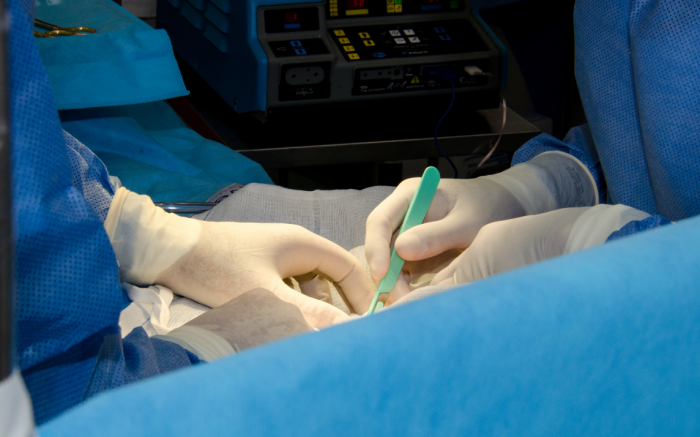
China’s healthcare sector has transformed dramatically over the past decades, becoming one of the world’s fastest-growing and most advanced healthcare systems. As the world’s most populous country and a rising hub of medical innovation, China offers unparalleled opportunities for international students pursuing medicine. From cutting-edge research in genomics and biotech in cities like Shenzhen to world-class hospitals in Beijing and Shanghai, studying medicine in China provides direct access to diverse clinical cases, modern facilities, and a healthcare environment on the forefront of innovation.
For international students, earning an MBBS degree in China can open doors to medical careers across Asia and beyond. Whether you aim to continue into residency in China’s hospital system, pursue licensing exams like USMLE or PLAB for practice in the US or UK, or return home with a globally recognized medical degree, Chinese medical schools offer the knowledge, clinical experience, and cross-cultural competencies essential for success in today’s global healthcare landscape.
Start with Self-Reflection: What Really Matters to You?
Before diving into school brochures and rankings, take a step back and think about your own goals and the kind of medical education experience you want. The “best” school is the one that fits you. Ask yourself these key questions:
- What areas of medicine interest you most? Do you see yourself leaning towards surgery, pediatrics, research, or another specialty?
- How do you learn best? Through hands-on clinical practice, problem-based learning sessions, or traditional lectures?
- Are you ready for a new language and culture? Most MBBS programs in China are taught in English, but you’ll need to learn some Mandarin for clinical work. Are you open to cultural immersion, including learning Chinese to communicate with patients?
- What environment do you prefer? A bustling city hospital with cutting-edge tech, or a smaller town with a close-knit campus community? A diverse international class, or integration with local students?
- What’s your career goal after graduation? Staying in China for further training, exploring opportunities in other countries, or returning home with a China-educated background?
- What’s your budget and timeline? How much can you invest in your education, and how quickly do you hope to become a practicing doctor (considering the length of study and any licensing exams or residencies afterwards)?
Consider Your Priorities
Once you have a sense of your preferences, clarify which factors matter most. Your career goals should heavily influence your choice of program, school location, and even the curriculum focus:
- If you plan to practice in China, prioritize universities with strong affiliated hospitals and local healthcare networks. Schools in major cities (like Beijing, Shanghai, Guangzhou) often have top-tier hospital affiliations and connections that can help with internships or securing a residency in China.
- If China is a stepping stone to practice elsewhere, look for schools known for international recognition and exam success. For example, some programs publicize their graduates’ high pass rates on the USMLE or other licensing exams. A track record of alumni securing residencies abroad (USA, UK, Thailand, your home country, etc.) is a good sign that the school will prepare you for global opportunities.
- If you intend to return home, ensure the medical school is recognized by your home country’s medical council and produces graduates who have successfully obtained licenses back home. This might mean checking if the university is listed in the World Directory of Medical Schools (a requirement for many countries’ licensing exams) and accredited by relevant authorities. A school with an international reputation or name recognition in your country can also be beneficial.
Finally, consider location and the connections that come with it. Different cities in China can offer distinct advantages during your medical training:
- Beijing and Shanghai: Home to many of China’s top medical universities and research institutes. Studying here means exposure to renowned hospitals, cutting-edge research projects, and often a more international city life. These are great if you value being at the center of academic medicine and possibly networking with globally recognized faculty.
- Guangzhou/Shenzhen: Major cities in the south with fast-growing healthcare industries and tech innovation. Shenzhen, for instance, has a burgeoning biotech scene, and Guangzhou has huge hospitals with high patient volumes. You might encounter advanced medical technologies and a spirit of innovation in these hubs.
- Smaller Cities and Regional Centers: Cities like Shantou, Dalian, Xi’an, or Hangzhou offer high-quality programs with a different pace of life. You may benefit from lower living costs and a more immersive cultural experience. These locations often provide a tight-knit campus community and opportunities to engage closely with local public health projects. For example, a city like Shantou has strong community healthcare initiatives alongside its university hospitals, which can give you a broader perspective on patient care at the grassroots level.
Each location can shape your experience from the patients you see to the professional network you build. There’s no one-size-fits-all, so think about where you can thrive both in and out of the classroom.
Check University Rankings & Reputation
Rankings aren’t everything, but they can serve as a useful starting point to gauge a medical school’s quality and global standing. Global university rankings (QS, Times Higher Education, etc.) and subject-specific rankings in medicine can tell you about a school’s research output, faculty reputation, and resources compared to international peers. For instance, if a Chinese university’s medical school is ranked in the global top 100, that’s a promising indicator of its academic strength.
However, remember that regional reputation might matter more for your specific goals. A school that isn’t at the very top globally might still be extremely well-regarded within China or Asia, with strong ties to local hospitals and health authorities. These regional strengths can be crucial for networking and job opportunities in the places you’re likely to work.
What to look for in a school’s reputation:
- Accreditation and Recognition: Ensure the medical college is officially approved by the Chinese Ministry of Education for enrolling international MBBS students. Just as important, check that the program is listed in the World Directory of Medical Schools (WFME/FAIMER). Being listed means the degree is recognized globally and you’ll be eligible for exams like USMLE, PLAB, or other national board exams.
- Graduate Outcomes: Look at what recent graduates are doing. Do they pass licensing exams and where are they practicing? A strong indicator is the school’s published licensing exam pass rates or residency placement rates. If many alumni secure residencies in reputable hospitals, whether in China, the US, UK, or elsewhere, that’s a sign of a program that truly prepares its students.
- Alumni Network: Investigate the alumni community. A school with a large network of international alumni working in the fields or countries you aspire to can provide mentorship and open doors. This might be less publicized, so try to find alumni via LinkedIn or university connections. For instance, if you discover that alumni from a certain university are on staff at top hospitals or pursuing PhDs at famous research institutes, it reflects well on the school’s standing.
- Faculty and Teaching Quality: The qualifications of the faculty can influence your education. Many Chinese medical schools have professors who trained or worked abroad. If a significant portion of faculty hold international degrees or experience, it can enhance the teaching. You might find this information on the school’s website or admissions brochures.
- International Partnerships: Some medical schools have partnerships for student exchanges or research with institutions overseas. Such programs can enrich your experience. While not essential, it’s a bonus to consider if you value a global perspective.
In short, use rankings as a baseline, but weigh them against how well the school’s reputation and network align with your personal goals.
International Student Support & Campus Environment
Aside from academics, think about what daily life will be like as an international student. The right support system can make your transition to medical school in China smoother and more enjoyable. Look for universities with strong international student services that help with visas, housing, registration, and orientation is a good sign. It’s also important to check if the program offers cultural and language support, such as Mandarin classes or language exchange programs. Most MBBS programs in China require students to pass a language exam before starting clinical rotations, so having structured language instruction is essential for communicating with patients.
Also, consider the learning environment and facilities. Will you be in mixed classes with Chinese students or only with fellow internationals? Does the university offer access to modern labs and simulation centers? Schools with multiple affiliated hospitals provide richer clinical training experiences. Beyond the classroom, a vibrant campus life (with clubs, festivals, and volunteer programs) can help you stay balanced and engaged. You’ll be living in China for several years, so choosing a university that supports your academic, cultural, and social growth is just as important as the curriculum itself.
Budget & Location

Pursuing an MBBS abroad is a major investment, but studying in China is often much more affordable than in Western countries. Tuition fees vary depending on the university and location. Top-ranked schools in cities like Beijing or Shanghai may charge around ¥50,000 CNY per year, while programs in smaller cities can cost as low as ¥18,000 CNY. Shantou University Medical College sits in the middle at about ¥40,000 CNY annually. Over a six-year program, total tuition may range from $15,000 to $30,000 USD, which is significantly lower than the cost of medical school in countries like the United States or the United Kingdom.
Living expenses also depend on the city. In Tier 1 cities such as Beijing or Shanghai, you may need 4500 to 5500 RMB monthly for rent, food, and daily expenses. In Tier 2 cities like Hangzhou, Xi’an, or Shantou, monthly costs can be closer to 3000 to 4000 RMB. These numbers vary based on lifestyle choices such as cooking at home or living in a dorm. Additionally, remember to include costs like health insurance, visa and residence permit fees, books, supplies, and airfare. Overall, China offers a budget-friendly option for international students looking for a quality medical education.
Scholarships are available for international students, though they can be competitive – especially for MBBS programs. Some options include:
- Chinese Government Scholarship (CSC): This is a full scholarship from the China Scholarship Council that can cover tuition, accommodation, a monthly stipend, and insurance. However, note that MBBS slots for government scholarships are limited and not all medical schools offer CSC for undergraduate medicine.
- Provincial or City Government Scholarships: Many local governments in China (for example, Beijing, Shanghai, Jiangsu Province, etc.) have scholarship funds to attract international students. These might partially or fully cover tuition and sometimes provide a stipend. The availability and amount can depend on the city and the year.
- University-specific scholarships: Almost all universities have their own scholarships or tuition waivers for excellent students. These might be awarded based on academic merit, interviews, or even on a first-come-first-served basis for early applicants.
Finding Your Best-Fit Medical School: A Step-by-Step Guide
Once you have a clear sense of your goals and priorities, it’s time to get organized and evaluate your options systematically. Choosing the right medical school is a project in itself, so here’s a straightforward process to keep you on track:
1. Clarify Your Goals and Build a Long List
Start by identifying your personal and academic goals—consider your budget, preferred city, language of instruction, and career plans after graduation. Use platforms like China Admissions to find MBBS programs that match your criteria. Create a list of around 6 to 8 schools, noting tuition fees, curriculum structure, hospital affiliations, faculty background, and scholarship availability.
2. Compare and Validate Your Options
Dig deeper into your shortlisted schools. Compare clinical training opportunities, learning environments, and student support services.
3. Finalize and Apply Strategically
Choose 3 to 4 programs to apply to, include one or two ambitious choices, solid matches, and a backup. Review each school’s application requirements and deadlines.
Shantou University Medical College (SUMC) – A Leading Choice
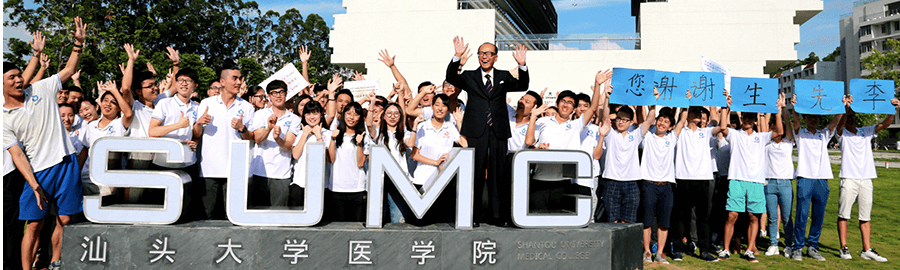
Shantou University Medical College (SUMC) in Guangdong is one of China’s top choices for international students pursuing an MBBS. As one of the first universities approved by the Ministry of Education to offer an English-taught MBBS program, SUMC brings over a decade of experience in training foreign students. Its curriculum is globally benchmarked, taught by internationally experienced faculty, and supported by world-class facilities. The program is listed in the World Directory of Medical Schools, making graduates eligible for licensing exams worldwide. SUMC has earned a reputation for excellence, with its clinical medicine program ranked in the global top 1 percent by Essential Science Indicators (ESI) Analysis and USMLE pass rates consistently reaching 93 to 98 percent.

What truly sets SUMC apart is its commitment to hands-on learning and student support. Clinical exposure starts early, with access to five affiliated hospitals totaling over 5,500 beds, along with advanced simulation centers, including China’s first Simulated Medical Center. Supported by the Li Ka Shing Foundation, SUMC provides cutting-edge learning environments and a strong campus community. International students learn alongside Chinese peers in bilingual settings, fostering collaboration and cultural exchange. With a strong academic track record, global recognition, and a supportive, multicultural environment, SUMC exemplifies the qualities you should look for when choosing a medical school in China.
What’s Next? Making Your Final Decision
After all your research and reflection, choosing where to study MBBS in China comes down to finding the school that truly fits you. Revisit your goals, weigh your priorities, and consider everything from cost and location to support systems, hospital access, and long-term career plans. Remember, the best school on paper isn’t always the best school for you, so go where you feel supported, motivated, and ready to grow both as a future doctor and as a person.
Trust your instincts, keep a backup plan, and embrace the exciting journey ahead.
You can browse available MBBS programs in China here, or book a call with one of our student advisors to discuss your preferences and find the most suitable program for you. Good luck, future doctor, and happy school hunting!