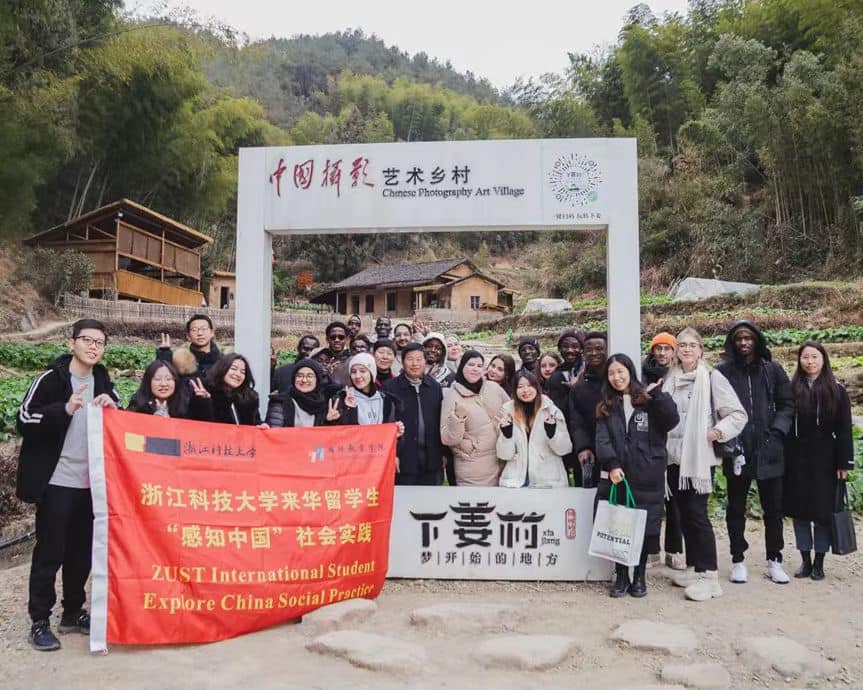
If you’re considering applying to Zhejiang University of Science and Technology, you’ve probably already looked into the programs, tuition, and scholarships. But what students actually want to know before they commit tends to be more practical, things like rent, commuting, food costs, and whether they’ll find people to connect with once they get there.
Here’s what daily life looks like when you study at ZUST in Hangzhou, based on real costs and how the city works for international students.
Getting around Hangzhou is easier that you’d expect
Hangzhou’s metro system has over 12 lines and covers most of the city, and ZUST’s Xiaoheshan Campus sits right next to its own metro station, Xiaoheshan on Line 3, which opened in 2022. Trains run every 4.5 minutes during rush hour and about every 6 minutes the rest of the day, so commuting is reliable.
A monthly metro pass costs 120 RMB (around $17 USD), and single rides start at 2 RMB. Buses are even cheaper at 1 RMB per ride. If you prefer flexibility, bike-sharing apps are everywhere in Hangzhou, and Didi (China’s version of Uber) is another option for nights out or trips across the city.
If you’re living 30 to 45 minutes away by metro, that’s completely normal here. Many students do it, and the system is clean, reliable, and well-connected.
What it actually costs to live here
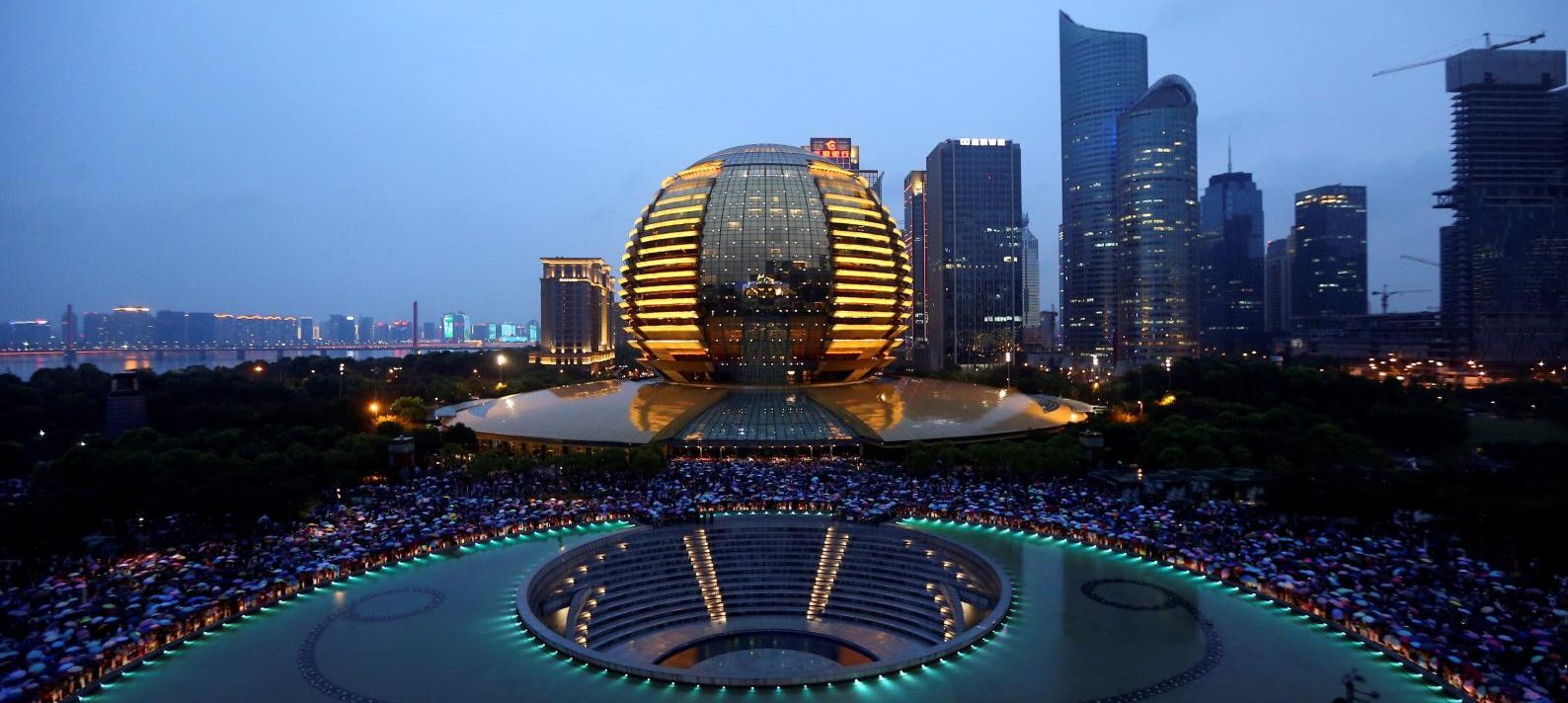
Hangzhou is noticeably cheaper than Beijing or Shanghai, and compared to most Western cities, you’ll spend about 30 to 40% less on day-to-day living.
A realistic monthly breakdown looks like this:
| Expense | Monthly Cost (RMB) | Approx. USD |
|---|---|---|
| On-campus dorm | 400 – 800 | $55 – $110 |
| Off-campus 1BR (outside city center) | ~2,300 | ~$335 |
| Monthly metro pass | 120 | ~$17 |
| Utilities (electricity, water, internet) | ~500 | ~$70 |
| Mobile phone plan | ~70 | ~$10 |
For food, a meal at a local restaurant costs about 15 to 40 RMB ($2 – $6 USD), and campus canteens are even cheaper than that. A coffee at a cafe costs around 35 RMB, but you can find cheaper options at campus spots and local chains. Western food costs more, usually 50 to 120 RMB per meal, so students who eat mostly local save a lot more.
On a local lifestyle budget, most students spend around 500 to 1,000 RMB per week ($70 – $140 USD), which covers food, transport, and daily essentials. If you mix in more Western food and go out regularly, expect closer to 1,000 to 2,000 RMB per week.
Finding a place to live
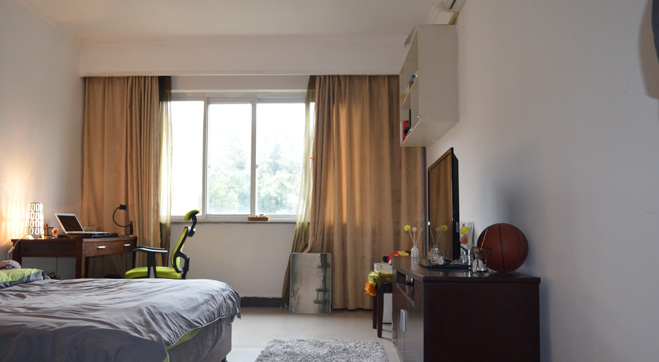
The easiest route for your first semester is staying in ZUST’s on-campus dormitories. At 400 to 800 RMB per month for shared and single rooms, it’s cheap and gives you time to learn the city before committing to a lease.
If you want to move off-campus later, apps like Wellcee are popular among international students for finding rentals. Local rental agents are another option, and ZUST’s international student office can usually point you to trusted ones. The practical advice most students give: settle into campus housing first, get familiar with the neighborhoods and metro lines, and then look for an apartment once you know where you’d want to live and what your budget looks like after a month or two of real spending.
Meeting people and building a community
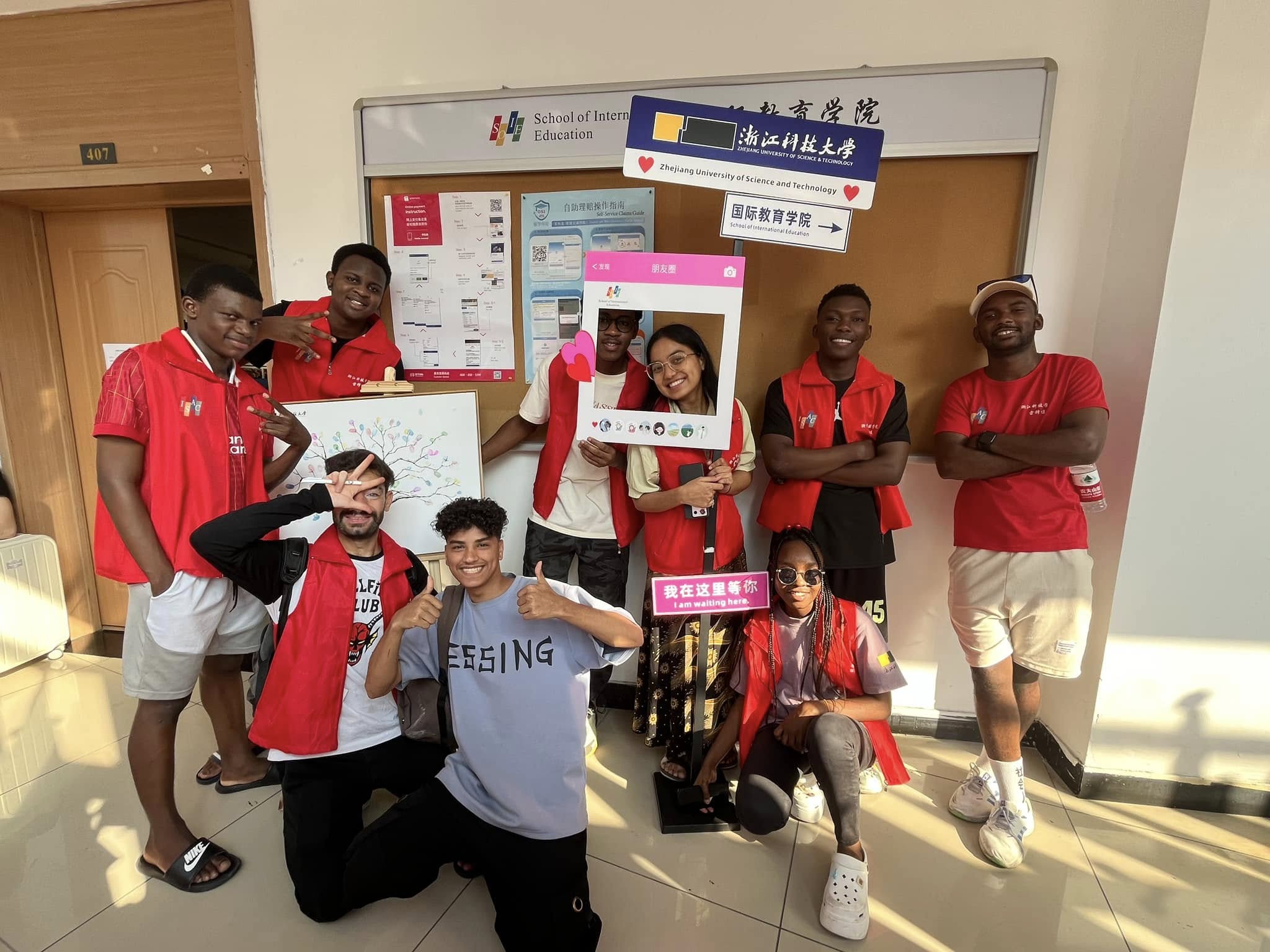
This is probably the biggest concern for students coming from the US or Europe, and it’s worth being honest about: building a social circle takes some initiative, especially in the first few weeks.
The good news is that ZUST runs orientation programs, cultural events, and language partner matching at the start of each semester, and those are where most students make their first connections. From there, WeChat becomes your main tool for social coordination in China. Your classmates and ZUST’s international student office are the fastest way to get added to groups for housing, food, events, and general expat life in Hangzhou.
Outside of campus, organizations host regular social events for expats and international students in Hangzhou, and those are a solid way to meet people beyond your university circle. Hangzhou’s international community is smaller than Shanghai’s or Beijing’s, but the smaller size means people tend to be closer and more welcoming to newcomers.
ZUST Programs Are Still Open for 2026
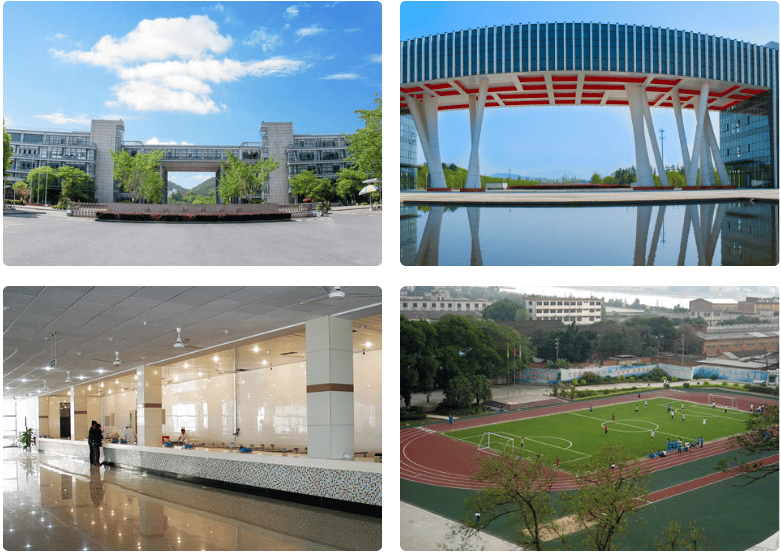
If you’re reading this and still deciding, ZUST’s bachelor’s and master’s programs have an application deadline of July 30, 2026, and the Chinese language program deadline is July 14, 2026. Tuition starts at 6,500 RMB per semester for language courses, 18,000 RMB per year for bachelor’s programs, and 25,000 RMB per year for master’s programs, and there are multiple scholarship options that can cover partial or full tuition.
You can browse all available programs and apply directly through China Admissions. Or book a call with us here.
Continue reading:

- 2027 Study in China Applications Calendar - October 12, 2026
- 3 Cheapest Chinese Language Programs in China for 2027 Intake - September 17, 2026
- Universities in China Offering Early-Bird Scholarships to International Students - September 13, 2026