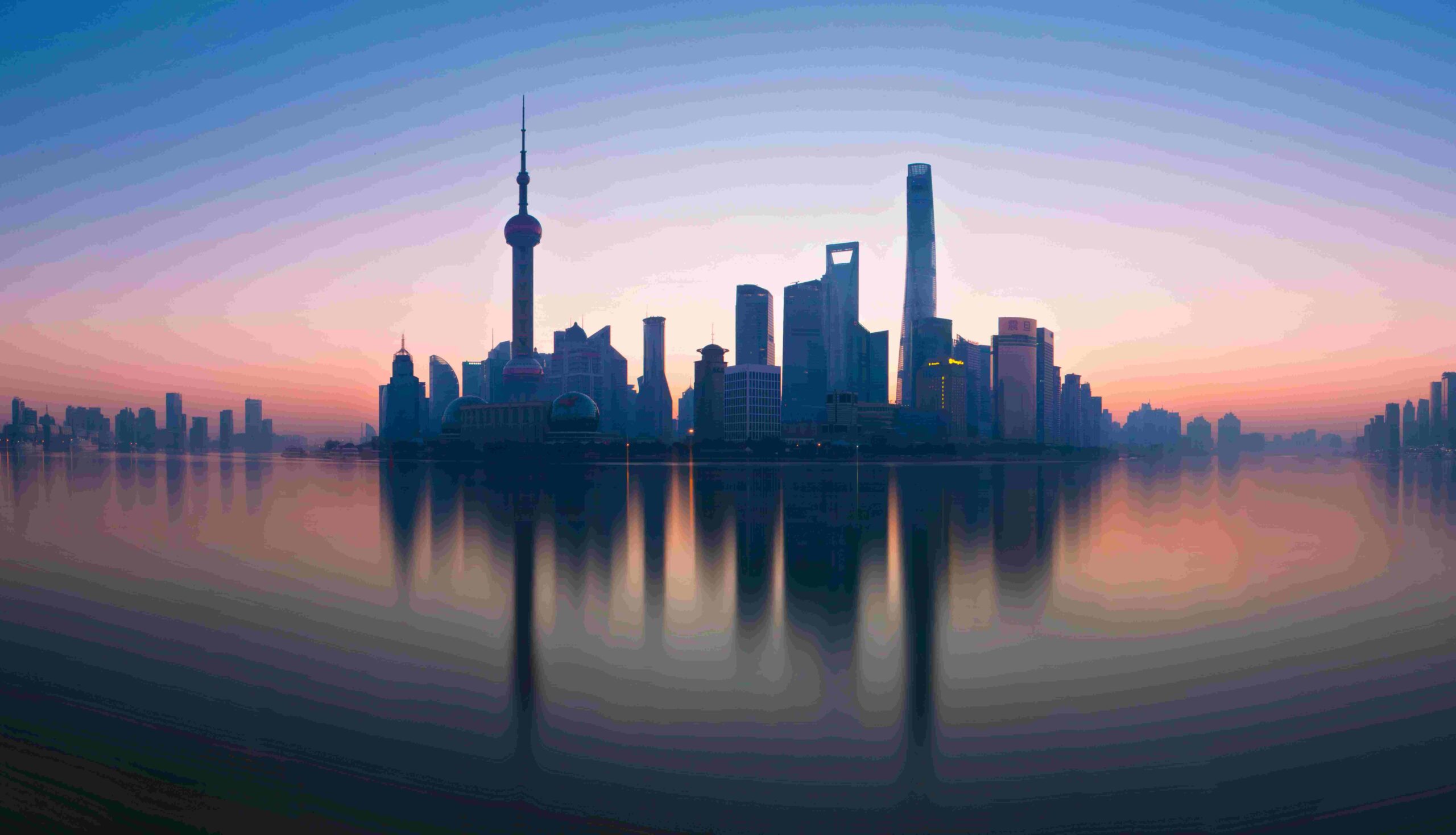
Shanghai is not just a city. It’s full of experiences.
This is where ideas turn into startups overnight, where East and West converge in real time, and where tens of thousands of foreign students pour in every year not just to study, but to transform, network, and prosper.
It’s the pulse of contemporary China: dynamic, international, and impossible to overlook. It’s a place of world-class universities, active student populations, non-stop things to see and do, and career opportunities on an international level. Therefore, it’s no surprise that thousands of international students make Shanghai their home.
Getting curious? Excellent.
Because once you have a real taste of Shanghai, it is hard to imagine studying anywhere else.
And that’s why, in this guide, we’re offering you a front-row seat to real Shanghai: from its global significance and vibrant neighborhoods to navigating its local transport network, staying safe, and keeping an eye on your budget as you explore. We’ll also guide you through the accommodation, Shanghai’s weather, and the great career prospects awaiting you after you graduate.
You’ll also receive practical advice on university applications.
Why Shanghai Actually Matters
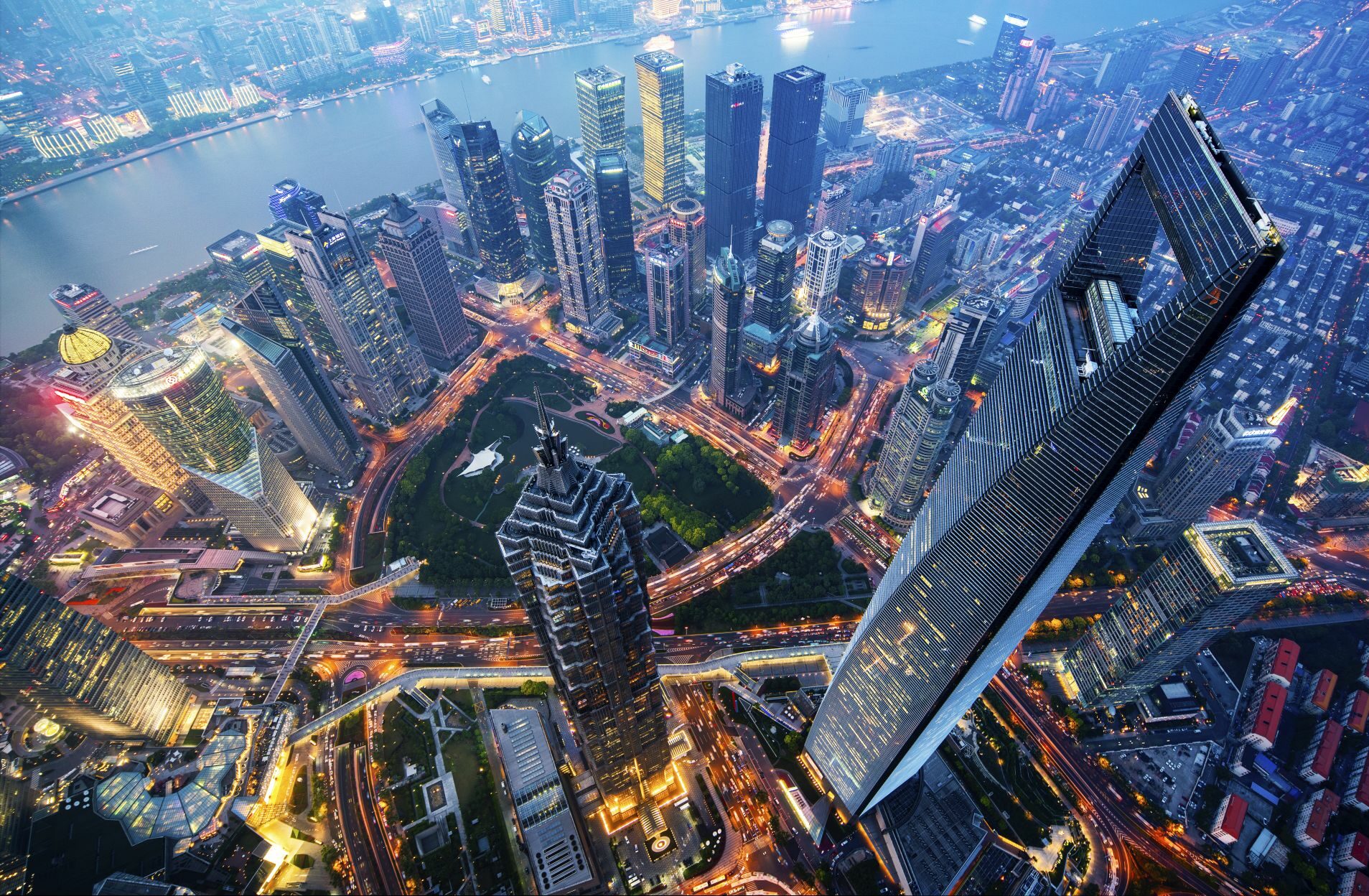
Besides being a great city to call home, Shanghai is also among the most internationally important cities in the making of the 21st century. As China’s powerhouse economy, innovation, finance, and technology hub, Shanghai is where the future is being built in real time.
In the most recent Global Financial Centres Index 34, Shanghai is ranked 7th in the world, ahead of international giants such as Los Angeles (6th) and Washington D.C. (8th).
And there’s more. Shanghai is ranked 6th city in the world for the global category of “cities that will become even more important in the near future”, a clear indication of its increasing power and prestige.
Across key areas of competitiveness, Shanghai consistently performs at the top:
- Business Environment – 6th
- Financial Sector Development – 6th
- Human Capital – 7th
- Infrastructure – 10th
- Reputation & General Influence – 7th
Its strength is even more impressive when you look at industry-specific rankings:
- Banking – 3rd in the world
- Finance – 3rd
- Investment Management – 4th
- Insurance – 5th
- Trading – 9th
- Government & Regulatory – 8th
- Professional Services – 10th
- Fintech – 15th
In short, Shanghai is more than China’s premier city. Whether your interest is finance, technology, entrepreneurship, or policy, Shanghai provides a front-row seat on the industries and innovations driving the world of tomorrow.
It translates for students into unparalleled access to internships, professional networks, career paths, and indeed a global perspective.
This is one of the primary reasons that studying in Shanghai is not just a matter of gaining a degree.
It’s a matter of kick-starting your future in one of the most competitive and vibrant cities in the world.
What Student Life Is Really Like
Now, what’s truly interesting about Shanghai is that it is not just a global business and innovation capital.
It’s also an excellent place to live, learn, and develop as a student.
Beneath the skyscrapers and boardrooms is a dynamic, colorful city filled with culture, cuisine, creativity, and memorable experiences. From historic temples to contemporary art galleries, street markets to parks, Shanghai has something for everyone.
International students quickly discover this cultural richness firsthand.
Laura, a student from Germany, enthusiastically remarked, ‘I love the culture here, and I hope my Chinese will improve. I’ve always known about the grandeur of Chinese New Year, but I didn’t expect New Year’s Day to be this lively too!’
Through experiences like traditional festivals, international students not only witness Shanghai’s historical and modern charm but also gain deep appreciation for Chinese cultural traditions and festivities.

Things to Do & Places to Visit
Whether you’re into history, nightlife, tech, art, or just amazing food, Shanghai has you covered.
- The Bund: A must-see waterfront promenade with stunning colonial-era architecture on one side and futuristic skyscrapers on the other. It’s the perfect mix of old and new—and a fabulous place for sunset walks or skyline Instagrams.
- Yu Garden & Old City: Experience the old China of peaceful gardens, tight lanes, and classic structures. Try a xiaolongbao (soup dumpling) and take in the ambiance.
- Xintiandi & Tianzifang: These fashionable areas are filled with boutique stores, small cafes, and art galleries tucked away in renovated traditional homes. Great weekend exploration.
- Shanghai Museum & Power Station of Art: Culture enthusiasts are in for a treat with top-notch museums that vary from ancient Chinese artifacts to modern art installations.
- Parks & Green Spaces: Take a break from studying in Century Park or Fuxing Park, or make a day trip from urban mayhem to surrounding water towns such as Zhujiajiao.
And then there’s the food. Ranked among the world’s top 10 best cities for cuisine by TimeOut Magazine, Shanghai offers something for every palate, and does it better than pretty much anyone out there.
From street noodles at 2 AM to the world’s first Michelin-starred dim sum, Shanghai’s food scene is a 24/7 adventure. You’ll find every regional Chinese cuisine here, as well as international options from Korean BBQ to Parisian patisserie to pretty much anything your mind can conceive.
Getting Around
Shanghai is enormous, but incredibly easy to navigate. The Shanghai Metro is one of the biggest and most efficient subway systems in the world, with over 500 stations and Chinese and English signage. It’s clean, safe, inexpensive, and connects nearly every part of the city.
For shorter trips, students use:
- Shared bikes (Mobike, HelloBike)
- Buses and electric scooters
- Didi (China’s Uber) for app-based ride-hailing
Transportation is inexpensive. Subway fares are usually under 5 RMB (under $1 USD), and most students possess a transportation card, so payment is convenient.
Climate & Weather
Shanghai has four distinct seasons:
- Spring (March–May): Mild, breezy, and full of cherry blossoms
- Summer (June–August): Hot and humid, with rain here and there
- Autumn (September–November): Comfortable temperatures and clear skies. Ideal for exploring
- Winter (December–February): Cold but manageable, rarely snowing, with temperatures hovering between 0–10°C (32–50°F)
Make sure to bring along both warm winter clothing and summer attire. You’ll need them both.
Cost of Living in Shanghai (2025)
Compared to other principal cities like New York, London, or Tokyo, Shanghai offers a world-class lifestyle at a reduced price. As with any big city, though, your quality of life will depend on your lifestyle, where you choose to live, and how you invest your cash. Following is a brief overview of what students can anticipate in 2025:
Monthly Essentials (Estimated in USD)
| Category | Average Monthly Cost (USD) | Notes |
| Student Housing | $250–$700 | University dorms are cheaper; private apartments cost more |
| Food & Groceries | $150–$300 | Eating local is affordable; imported goods and Western dining cost more |
| Transportation | $15–$30 | Unlimited metro/bus pass is around $20/month |
| Mobile/Data Plan | $5–$15 | Affordable with generous data packages |
| Health Insurance | $8–$30 | Often included in tuition or visa fees |
| Leisure & Fun | $50–$150 | Depends on how often you eat out, travel, or attend events |
Estimated Total: $500–$1,200/month (costs vary depending on lifestyle choices and other particular circumstances)

Budget Tips for Students
- Eat like a local: A hearty meal at a campus canteen or street-side noodle shop can cost as little as $2.
- Use student discounts: Many attractions, cinemas, and gyms offer discounts with your student ID.
- Live on-campus: University housing is not only cheaper but also more convenient and safe.
- Track spending: Use apps like WeChat or Alipay (ubiquitous in China) to easily monitor and manage your expenses.
Although it is one of the world’s premier cities, Shanghai is quite affordable for students who have careful spending habits. Whether living frugally or spending weekend splurges, there are choices to suit your budget.
Then, we’ll examine where you’ll reside, from dormitories to apartment hunting, and how Shanghai serves and safeguards students.
Student Housing Options
Looking for an apartment in a megacity such as Shanghai may seem daunting, but international students have numerous excellent choices at every budget level and standard of comfort.
1. On-Campus Dormitories
Most Shanghai universities, like ECUST, offer international student dormitories that are convenient, safe, and low-cost. They typically have equipped rooms (single or shared), Wi-Fi, laundry, and maybe a gym or canteen. The price ranges from $140 – $415 depending on the room type and the university.
2. Off-Campus Apartments
Those requiring greater independence can look into off-campus shared apartments. Expat-friendly areas like Xujiahui, Jing’an, and Yangpu are close to major universities and full of cafes, study spaces, and student-friendly attractions. You can pay $345–$760+ per month depending on location, size, and whether or not you’re sharing.
Naturally, these are approximate figures. Prices vary according to district, amenities, roommates, and leasing conditions.
Nonetheless, wherever you decide to reside, whether on campus or in the city center, you’ll be pleased to know that Shanghai provides accommodation along with peace of mind, owing to its status as one of the safest large cities in the world
Living Safely in Shanghai
Violent crime is rare, and everyday safety is excellent, whether you’re riding the metro late at night, walking across campus, or walking around the city. Ever-present police patrols and pervasive security cameras help to keep public areas safe.
As a metropolis hosting tens of thousands of international students, Shanghai is accustomed to receiving guests from around the globe. The majority of students find it secure on and off campus. Problems are typically minor, such as the odd scam or housing problem, and easily preventable with minimum precautions.
Public transportation, such as the subway, buses, and DiDi (China’s version of Uber), is safe and reliable both day and night.
Career Opportunities in Shanghai
Shanghai isn’t just China’s financial center. It’s a global business hub.
Therefore, for the majority of foreign students, studying abroad is not so much about school: it’s about what comes next. And if establishing an international career is in question, Shanghai doesn’t disappoint.
Home to more than 800 multinational corporations’ regional headquarters such as Apple, L’Oréal, and Tesla, the city provides unparalleled access to internships, networking, and post-graduation entry-level positions in fields such as:
- Finance and Banking
- Technology and Startups
- Consulting
- Logistics and Supply Chain
- Green Energy and Sustainability
- International Trade
English skills are already a powerful advantage, and even basic Mandarin can boost your chances, particularly at foreign-invested companies and multinational corporations.
Internship Opportunities
There is a rich internship culture in Shanghai. Most international students start working part-time or interning while still in school. ECUST and similar universities will usually offer assistance in the form of career offices, job listings, corporate sponsorships, and alumni networks to help students acquire early career experience.
Internships often lead to full-time jobs, especially if you initiate the networking early and arrive bearing competency and cultural interest.
And, when it comes to Entrepreneurs and Innovators, Shanghai is one of the leading startup cities in Asia, with dynamic incubators, co-working spaces, and pitch contests. If you have an idea and the passion to make it happen, there are few places better to create something from scratch.
So with all those career opportunities lining up in Shanghai, the starting point is getting into the right university to pave the way.
What Makes ECUST Different From Other Universities in Shanghai?

Of the best Shanghai universities, East China University of Science and Technology (ECUST) stands out particularly well for its strong international focus, entrepreneurial study, and industry-attached programs. As a world-class institution with a world-famous reputation for science, engineering, business, and technology, ECUST is now a student favorite to succeed in an internationally engaged learning environment.
- Ranked among China’s top universities for science and engineering
- Located in the heart of Shanghai’s innovation zone
- Active partnerships with companies and universities worldwide
- Home to a growing international student body from 100+ countries
- Strong emphasis on real-world application, research, and career support
What is JMD Programs?
One of ECUST’s flagship offerings is its Joint Multi-Degree (JMD) programs. These are co-designed with international partner institutions, allowing students to:
- Earn dual degrees from ECUST and a UK university
- Study in both Shanghai and abroad, gaining truly global exposure
- Receive high-quality, English-taught instruction with cross-cultural learning at its core
- Tap into networks across continents, making job placement easier after graduation
Why Shanghai?
Shanghai is about entering one of the most exciting, cosmopolitan, and opportunity-rich cities globally. Whether world-class education and career development opportunities or unforgettable cultural experiences, Shanghai has everything international students need to learn, experience, and succeed.
Among the many excellent universities in the city, East China University of Science and Technology (ECUST) is a smart, strategic choice. Owing to its strong academic reputation, globalizing initiatives, or pioneering Joint Multi-Degree (JMD) programs, ECUST offers a decidedly international education in the heart of one of the globe’s most cosmopolitan cities.

- Everything International Students Should Know About Studying in Shanghai - October 11, 2025