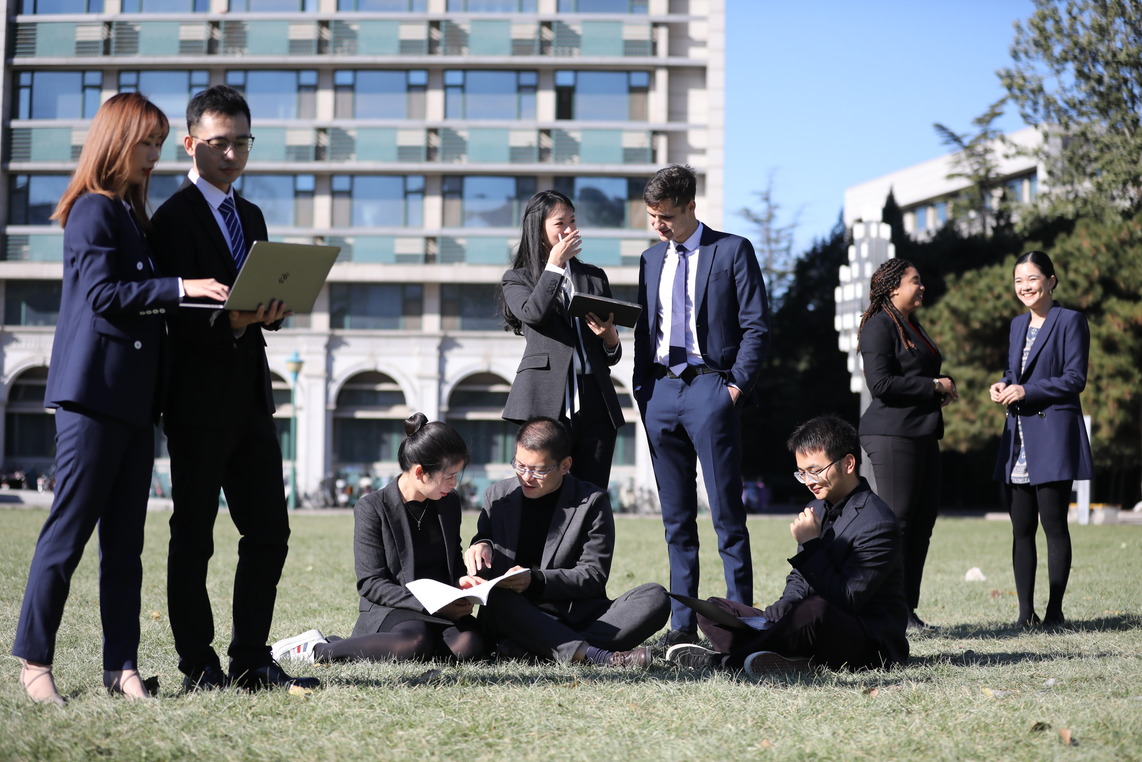
China is fast becoming one of the top destinations for students around the world who want to get an MBA.
While most MBA programs teach you about leadership, studying in China actually makes you practice it.
There are a few clear reasons why these programs are becoming so popular right now. Many business schools in China are now recognized as some of the best in the world, giving students the chance to learn inside a fast and active business environment. On top of that, there are many scholarships available for international business students.
So, what do you actually learn by studying there? Here is a breakdown of the real-world skills you will build.
6 Practical Leadership Skills You Gain During an MBA in China
1) Cross-Cultural Communication
China hosts more than 200,000 international students in 2022, and MBA classrooms reflect that. At a school like Renmin Business School (RMBS) in Beijing, over 200 international students enroll each year, coming from dozens of countries. You will work on group projects, presentations, and consulting assignments with people who think, communicate, and approach problems very differently from you.
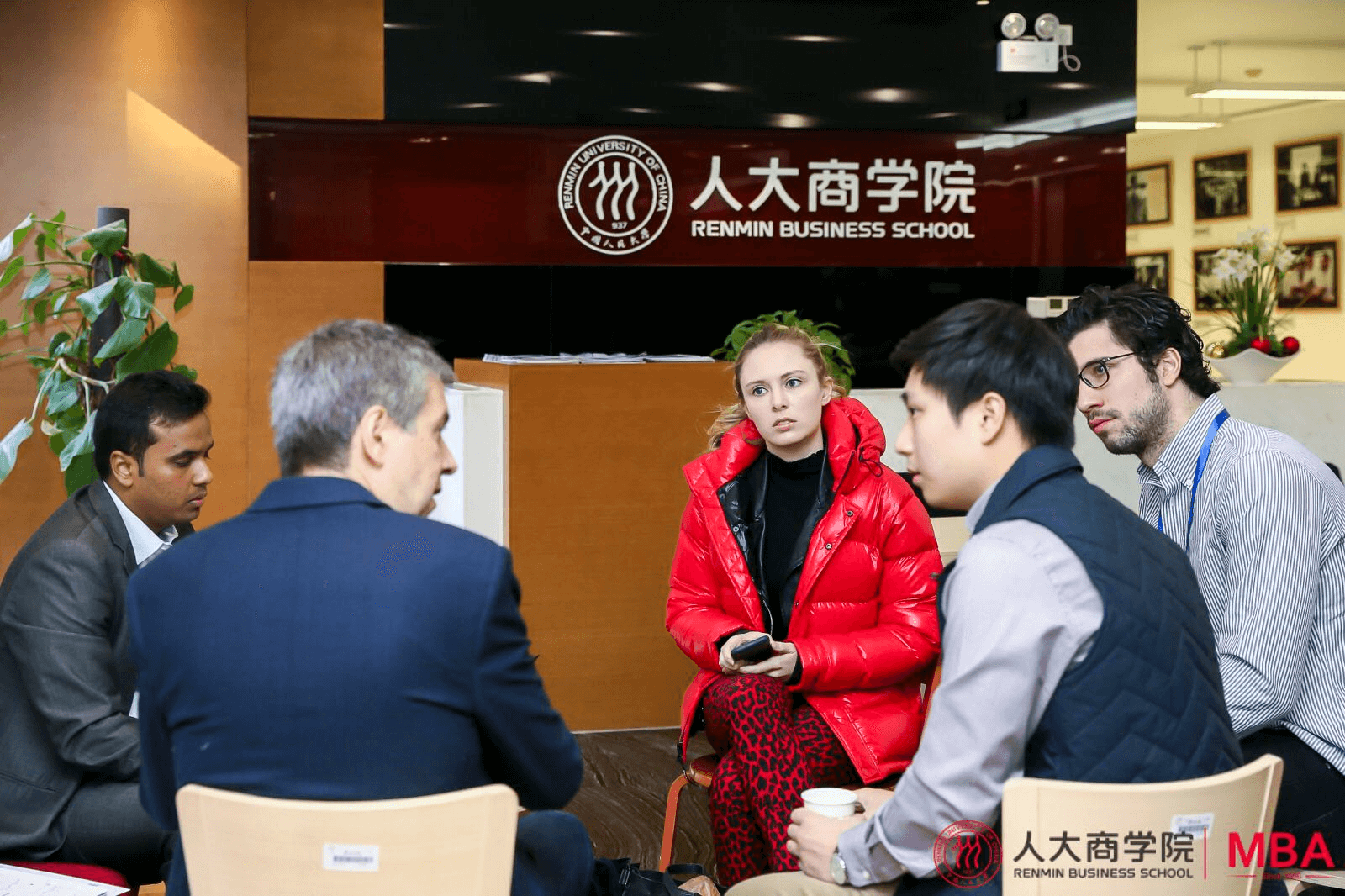
This is a skill multinational employers pay for. Forbes research shows that building cross-cultural teams and forming diverse international partnerships consistently drive business success.
2) Negotiation and Understanding Guanxi
In China, business runs on relationships. The concept of Guanxi (关系) refers to the network of relationships and mutual obligations that underpin how deals get done, how partners are chosen, and how trust is built over time.

You start to understand Guanxi from watching it operate in real time. Your professors have spent careers inside Chinese business. Your classmates are often mid-career professionals from Chinese companies. The alumni events, mentorship programs, and networking sessions are where Guanxi is practiced.
This shapes how you negotiate. In China, negotiation rarely works when you push for a quick close. Relationships come first. Long-term thinking is valued over short-term wins. MBA students who spend two years in this environment tend to become much better at reading the room, building rapport before making an ask, and staying calm when a deal moves slowly.
3) Strategic Thinking in a Fast-Moving Market
China’s economy moves faster than most. New regulations, new competitors, and new consumer behaviors appear in months. Alibaba’s logistics network, TikTok’s algorithm-driven content model, and BYD’s rise in electric vehicles are all examples of companies that scaled faster.
An MBA curriculum in China puts you inside this pace. Core courses like Business Strategy and Analytics, Managerial Economics, and China’s Economic Development give you live case studies with companies that are actively growing, failing, or changing direction while you study them.
The MBA program at RMBS integrates Team Action Projects (TAP), where students work on real consulting assignments for actual companies.
4) Leading Diverse Teams
Group work in an MBA in China is where most students report their biggest growth. You are placed into teams with people from different professional backgrounds, cultures, and communication styles.
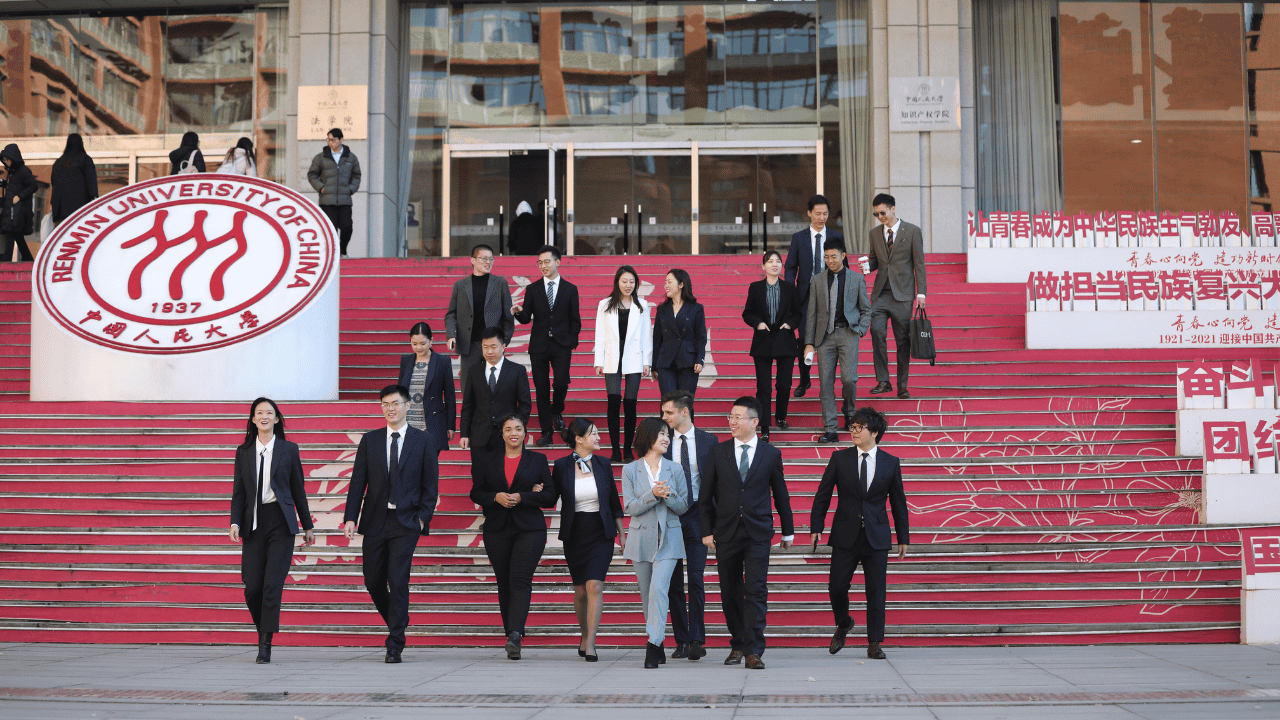
RMBS runs a program called the Practical Ability Promotion (PAP), which pairs MBA students with CEOs and senior leaders. You sit in on strategy sessions, observe how decisions get made at the top, and talk to executives about what makes teams succeed or fall apart.
5) Ethical Leadership and Long-Term Thinking
This one does not get talked about as much, but it matters.
Several top business schools in China have built ethics formally into their programs. Renmin Business School established its Ethics and Social Responsibility Committee in 2013. The committee shapes how courses are taught and ensures that students are thinking about leadership not just in terms of profit but also in terms of impact on people and communities.
In a country where businesses have scaled rapidly and governance frameworks are still catching up, the ethical questions are not abstract. Students discuss real-world scenarios involving labor practices, environmental responsibility, data privacy, and corporate governance.
6) Adaptability
You will get lost in Beijing. A supplier will cancel a meeting with no explanation. Every international MBA student in China can tell you a story like this. And most of them will also tell you it was some of the best preparation they got.
Adaptability is not a soft skill. It is the skill that keeps all the other ones functioning when conditions change. China tests it constantly. By the time you graduate, your default reaction to unexpected problems shifts from panic to problem-solving. That is genuinely valuable, and it is genuinely hard to teach in a classroom.
Where to Build These Skills
If you are thinking about an MBA in China specifically for leadership development, Renmin Business School (RMBS) at Renmin University of China in Beijing is worth looking at closely.
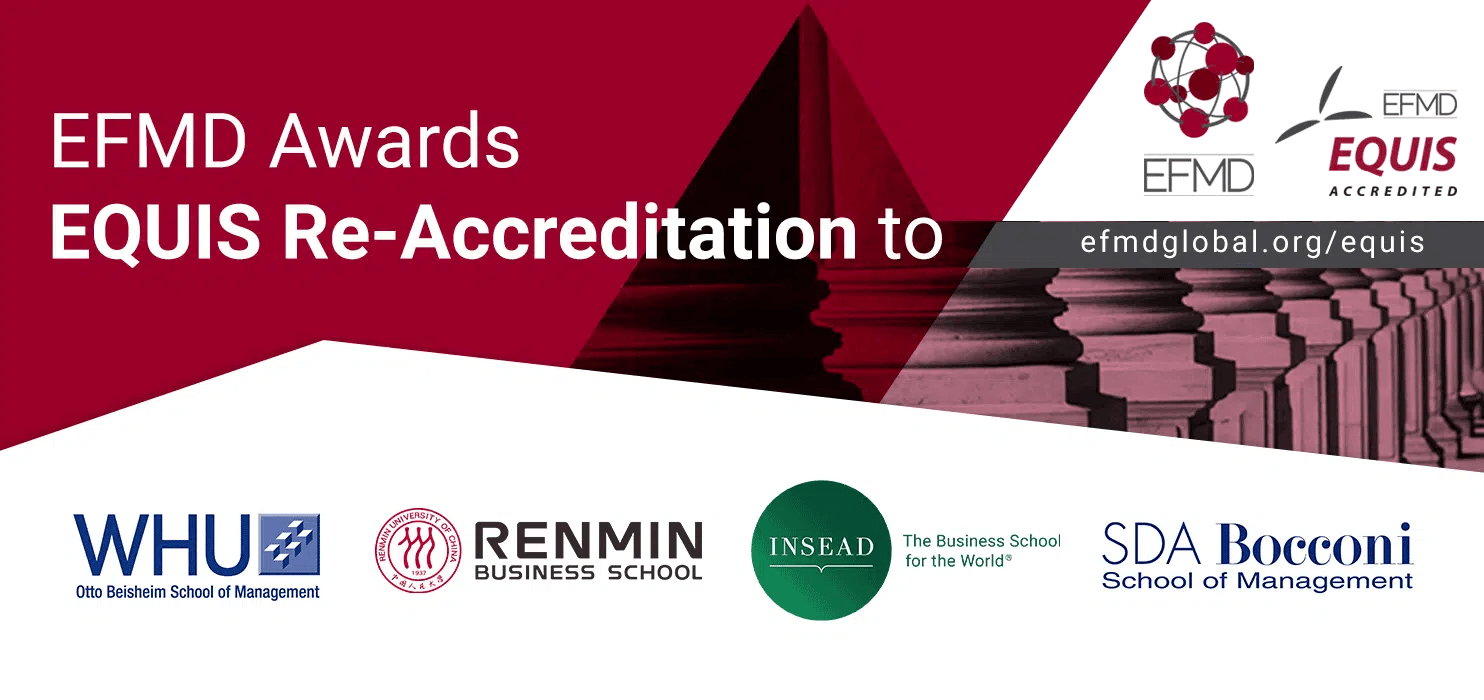
RMBS has been operating since 1950. It holds dual accreditation from EQUIS (since 2010) and AACSB (since 2013), and its MBA program ranks in the top 50 globally according to the Financial Times. Domestically, the Ministry of Education gives it an A+ rating for business administration and ranks the university No. 1 in social sciences and humanities.
The IMBA program runs for two years, full-time, at 89,000 RMB per year (approximately $12,200 USD). Over 85% of international students receive some form of merit-based scholarship, including full and half tuition waivers and GMAT-based grants ranging from 10,000 to 30,000 RMB.
What makes the program practical for leadership development specifically:
- The TAP (Team Action Project) program puts students into real consulting assignments with actual companies.
- The PAP (Practical Ability Promotion) program connects students directly with CEOs and senior executives.
- Students access the Global Network for Advanced Management (GNAM), which includes study tours through the Global Network Week program and online courses across 30+ top business schools worldwide.
- RMBS has over 50 exchange partnerships with schools internationally, including dual-degree options with Yale University.
- The 138-member faculty includes professors with PhDs from Princeton, Carnegie Mellon, and other globally ranked institutions.
Learn more about RMBS International MBA here.
Is an MBA in China Right for You?
Here is a honest way to think about it.
If you want to build leadership skills in a controlled, comfortable environment, an MBA in China is probably not your best option. It many not be easy because the cultural adjustment takes real effort. The language barrier is real even in English-medium programs.
But if you want to be genuinely tested, to work with people who are very different from you, to understand how business operates in a market that is shaping the global economy for the next 30 years, and to come out with a set of practical leadership skills you had to earn in real conditions, then China is worth serious consideration.
The students who thrive tend to be the ones who treat the discomfort as part of the education.
Read What Students Are Saying!
 |
“I began the IMBA program not knowing what to expect, yet I feel at the end of the two year degree that I’ve gained a wealth of knowledge not only in skill but also in cultural understanding and cross-cultural management. The program’s global classrooms and professors combined with the expertise of local Chinese professors provided me with a valuable learning experience that is rare to find in many programs.” – Patricia Dias, Australia RMBS IMBA ’13 |
 |
“The International MBA program equipped me with the necessary knowledge and experience to fulfill my professional career in international trade. The program combines established theories, international business practices and management styles of China. I also had the opportunity to study in Lille, France as an exchange student, and the experience helped me pave the way for a more detailed exploration of the different economies.” – Lester de Guzman, Canada RMBS IMBA ’12 |
 |
“To me, an IMBA program is a chance for you to do your best. The wonderful experience at RMBS not only provided me with the knowledge needed in my future career but also the ability to handle business problems systematically and leisurely.” – Yang Zou, China RMBS IMBA ’14 |
Continue reading:
- Introducing Renmin Business School – Top Business School in China
- Renmin Business School Admissions Guide 2026
Frequently Asked Questions